

Caring for natural stone: sealing and cleaning
Stone does not ask for much, but it asks for the right care. The wrong products can do more harm than daily use.
What is sealing and why is it needed?
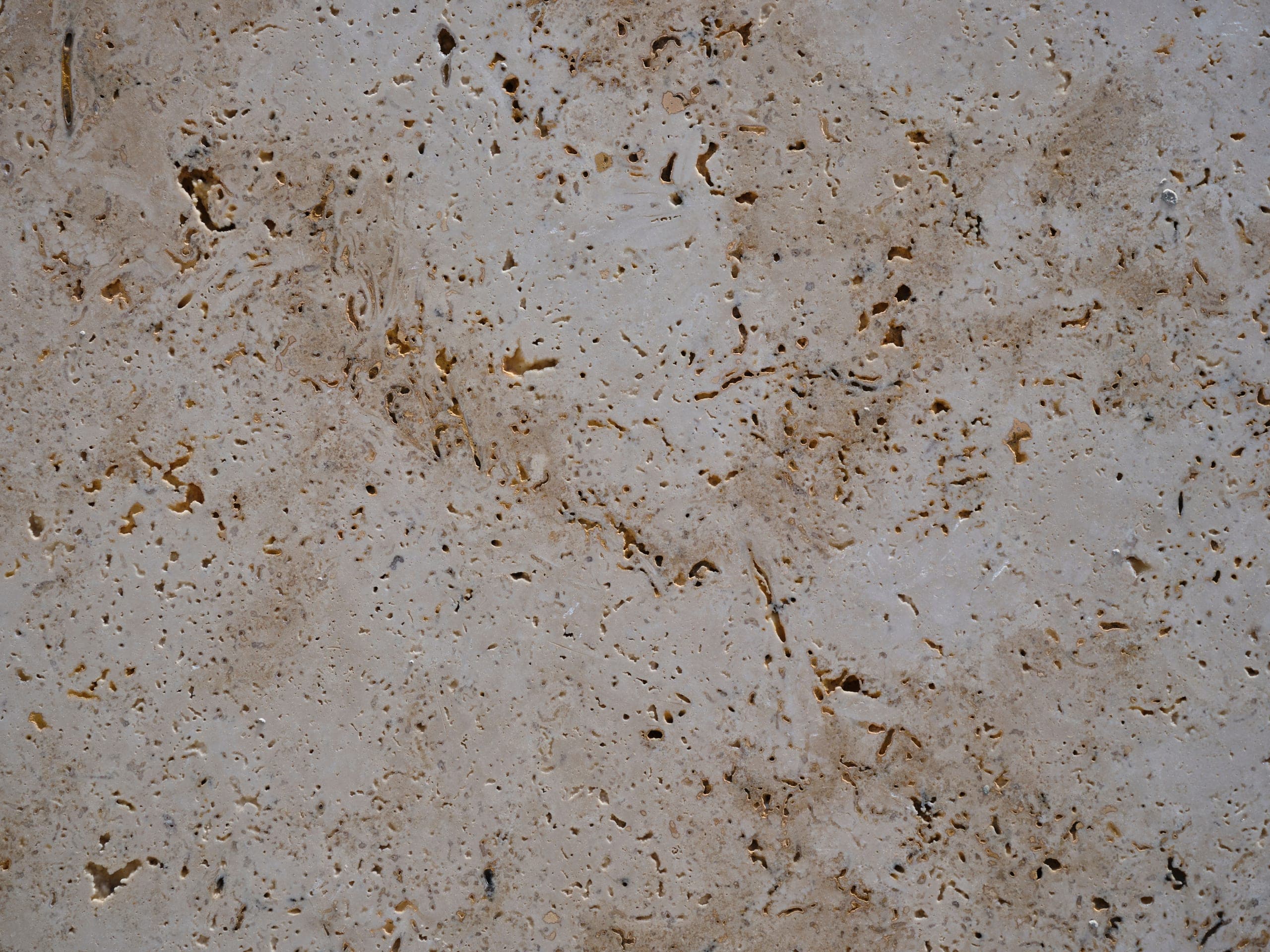
A sealer penetrates the stone and reduces how much liquid it absorbs, which prevents staining. It does not leave a visible layer or change the look of the stone; it closes the pores from within. Porous stones need it most – marble, limestone and travertine – but so does granite on kitchen worktops and outdoor surfaces.
How often should stone be sealed?
It is advisable at installation and again every few years, depending on use. A simple test: put a few drops of water on the surface. If the stone darkens there after a few minutes, it is absorbing and it is time to seal again. If the water stays in drops, the protection is still working.
How do you clean it every day?
Use pH-neutral cleaners and a soft cloth. Avoid abrasives and acidic products (vinegar, lemon, limescale removers), especially on marble and limestone.
- Sweep or vacuum floors regularly – grit scratches like sandpaper.
- Put mats at the entrances, so less grit reaches the stone.
- Mop with water and a neutral detergent, then let the floor dry.
What should you not use on stone?
- Acidic products – vinegar, lemon, limescale removers and some bathroom cleaners; on marble they leave dull marks.
- Abrasive powders, steel wool and rough sponges that scratch.
- Harsh chemicals when it is not clear they are meant for stone – test on a hidden spot first.
How do you remove stains?
Wipe spills immediately. For set-in stains there are specific poultices by stain type – ask us for advice before you experiment.
- Oil and grease – blot quickly with paper, without rubbing.
- Wine, coffee and juices – wipe at once, especially on marble, because the acid etches the surface.
- Rust and old, set-in stains – specific products, on advice.
Do marble and granite need different care?
Granite asks for minimal care and is difficult to scratch. Marble is softer and sensitive to acids: on polished marble, lemon or wine leave dull marks that are not a stain but an etched surface. The shine of such marble is brought back by re-polishing, which is a job for professionals.
How do you care for stone outdoors?
Wash outdoor surfaces with water and a soft brush. Moss or green growth may appear in shaded, damp spots – remove it in time, without acids. Porous stones outdoors benefit from sealing, especially before winter.
One rule beats all the others: wipe spills at once, and never leave acidic liquids on marble.
If you are not sure what to clean your stone with, write to us – we will tell you what is safe for that stone.
Last updated: